Affiliate disclosure: we may earn a commission from qualifying links at no extra cost to you. How we stay independent.
Evidence Guide
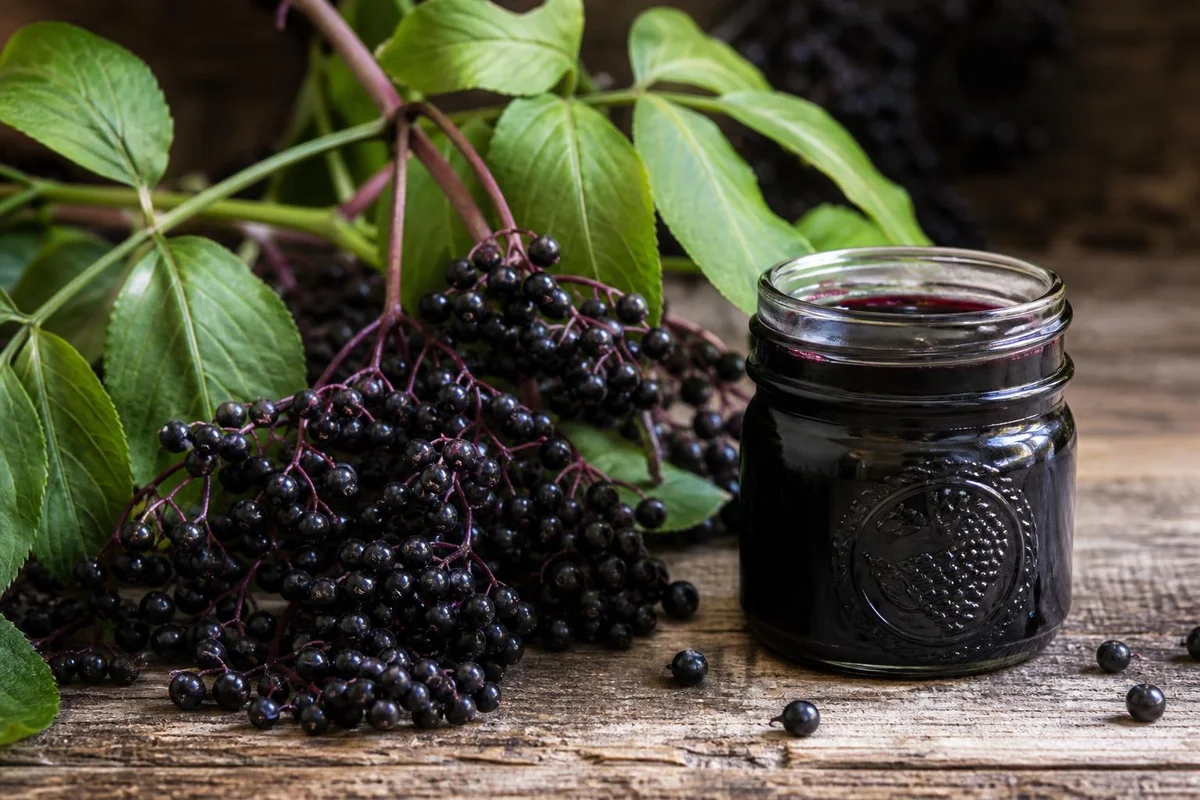
Elderberry (Sambucus nigra)
Clinical Evidence for Colds and Flu, Plus the Safety You Need to Know
Meta-analyses of randomized trials suggest elderberry can reduce the duration and severity of upper respiratory symptoms — most consistently when supplementation begins at symptom onset. It is generally well tolerated when properly prepared, but raw or unripe berries and other plant parts can be toxic. This is not medical advice.
What the Research Shows
Duration & severity of URI symptoms
Hawkins et al. (2019), a meta-analysis of RCTs, found elderberry significantly reduced duration and severity of upper respiratory symptoms versus placebo — more pronounced for influenza than the common cold.
Influenza-type symptoms
Harnett et al. (2020) concluded mono-herbal elderberry may reduce influenza-type symptoms (fever, headache, congestion), with overall evidence quality rated moderate.
Treatment (symptom onset)
Wieland et al. (2021) identified several trials showing reduced symptom duration when treatment began early in the illness course.
Prevention of infection
Evidence for preventing colds or flu is weak and limited to one trial. Elderberry should not be relied on as a preventive and is no substitute for vaccination.
How It Works
Elderberry's proposed benefits are attributed to its high anthocyanin and flavonoid content, which show antioxidant and immunomodulatory properties in laboratory studies. Human mechanistic data remain limited, and most clinical benefit is thought to come from mild antiviral plus immune-modulating effects.
- Anthocyanins
- High levels of anthocyanins (notably cyanidin-3-sambubioside and cyanidin-3-glucoside) provide antioxidant activity and have shown antiviral effects against influenza viruses in vitro.
- Possible Viral Entry Inhibition
- Laboratory studies suggest elderberry flavonoids may inhibit viral entry into host cells or reduce viral replication, though human mechanistic data remain limited.
- Immune Modulation
- Extracts may influence cytokine production and temper excessive inflammation, so clinical benefit likely reflects mild antiviral plus immune-modulating effects rather than direct pathogen eradication.
Dosage & Forms
This table scrolls horizontally on small screens. Use Tab to focus the table region, then scroll with arrow keys or touch.
| Form | Typical Range | Notes |
|---|---|---|
| Standardized syrup (e.g., Sambucol-type) | Per label, at symptom onset | Most clinically studied format; begin early in illness |
| Lozenges | Per label | Used in some influenza trials |
| Capsules / extract | Per label | Look for stated anthocyanin standardization |
| Duration of use | ~5–7 days | Short-term during acute illness; limited data on long-term daily use |
Follow product label instructions and begin at the first sign of symptoms. Higher doses are not proven more effective. General guidance, not medical advice.
Quality Matters
Elderberry is sold as a dietary supplement and is not subject to pre-market drug approval, so quality varies widely. Look for clear sourcing and processing information, standardization of anthocyanin content where stated, and third-party testing when available. Be aware that many products add other ingredients (echinacea, zinc, vitamin C) that can affect results.
Safety & Precautions
Elderberry Product Picks
Affiliate disclosure: as an Amazon Associate we earn a small commission on qualifying purchases at no extra cost to you.
Budget example
NOW Foods
NOW Elderberry 500 mg
Budget product example for a concentrated elderberry capsule during immune season.
View on Amazon →Featured example
Sambucol
Sambucol Black Elderberry Syrup
Product example for the clinically studied elderberry syrup with widely recognized brand recognition.
View on Amazon →Premium example
Gaia Herbs
Gaia Herbs Black Elderberry
Premium phyto-caps pick for standardized elderberry extract with traceability.
View on Amazon →Source ledger
References
4 sources
- 01Zakay-Rones Z, et al. (2004). Elderberry for influenza A and B. J Int Med Res, 32(2): 132-140. PubMed →
- 02Tiralongo E, et al. (2016). Elderberry reduces cold duration in air travelers. Nutrients, 8(4): 182. PubMed →
- 03Hawkins J, et al. (2019). Black elderberry for upper respiratory symptoms. Complement Ther Med, 42: 361-365. PubMed →
- 04Krawitz C, et al. (2011). Elderberry flavonoids inhibit H1N1 in vitro. BMC Complement Altern Med, 11: 16. PubMed →
Sourcing options
Product sourcing examples
Recommendation status
Product recommendations are not shown for this profile because the current site safety and monetization policy does not permit them.
FAQ
Common Questions About Elderberry
Free safety checklist
Get the evidence-first supplement notes
Occasional research updates, practical safety context, and new guide announcements. No diagnosis, treatment, or personal medical advice.
We use your email to send the checklist and occasional evidence-first supplement updates. Unsubscribe anytime. Privacy policy.